
Some seasons of life call for strength. Others call for stillness.
Restorative yoga is the practice of being held. In a world that celebrates hustle and constant doing, this gentle practice invites us to pause—to soften, to listen, to rest.
When your body is fully supported by props—blankets, bolsters, cushions—something extraordinary happens: your nervous system begins to exhale. It shifts out of fight-or-flight and into the parasympathetic state—the realm of rest, digest, and deep healing.
Restorative yoga isn’t about stretching or poses. It’s about presence. It’s about allowing the body to feel safe enough to let go. The stillness becomes a doorway—one that leads you back to yourself.
Many women come to the mat carrying exhaustion, grief, or chronic tension. They’ve been the caretakers, the fixers, the strong ones for so long. Restorative yoga offers an antidote to that pressure. It says:
You don’t have to do anything right now. You are enough as you are.
If you’re new to restorative yoga, here are a few gentle ways to begin:
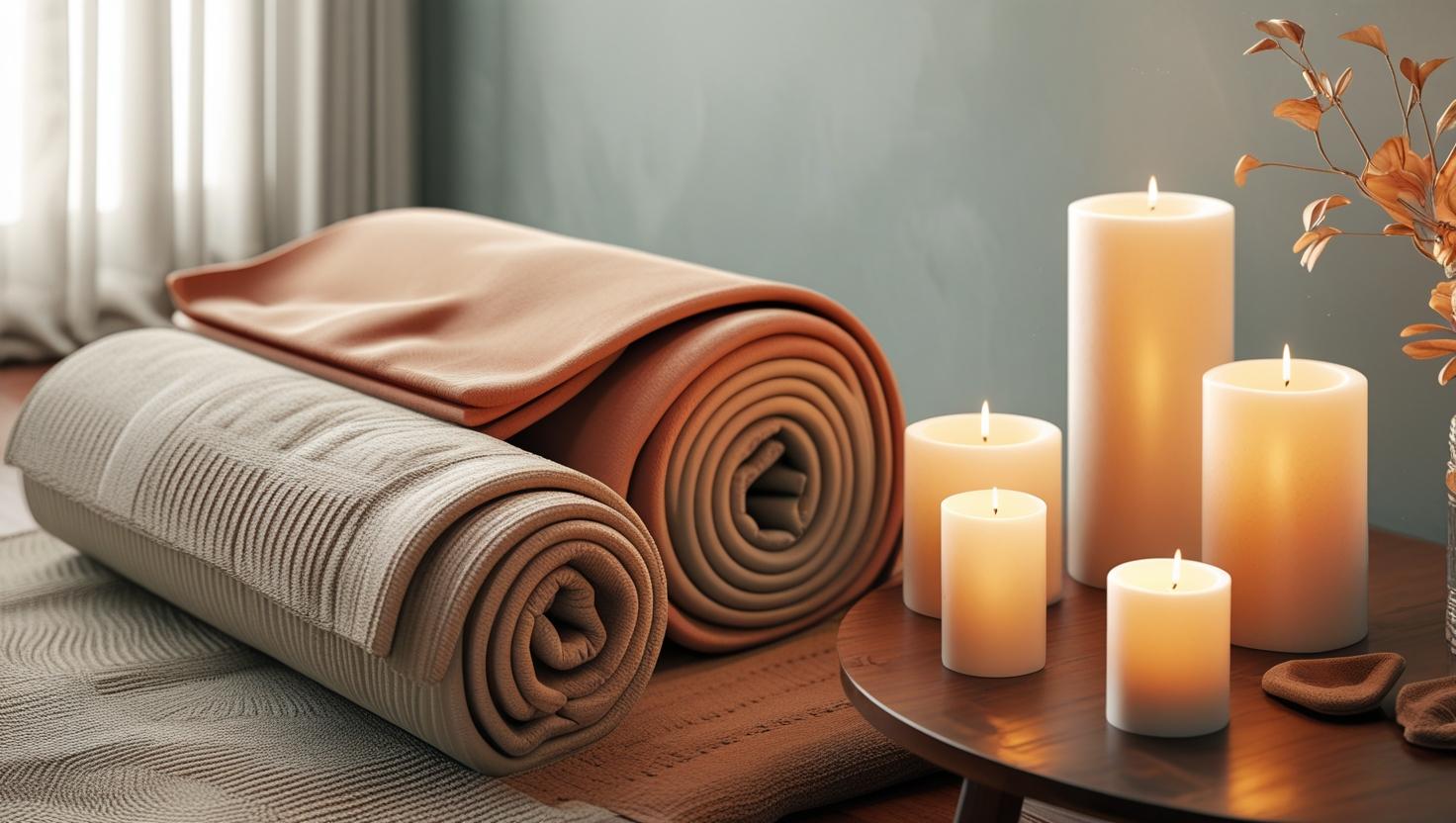
- Create a quiet corner. Use a folded blanket, a few pillows, and dim lighting. Let this be your haven, even if only for 10 minutes.
- Start with the breath. Inhale slowly through the nose, exhale even slower. Allow your breath to soften your edges.
- Try legs-up-the-wall. This simple pose relieves tension, calms the mind, and supports circulation. It’s a beautiful place to rest.
- Feel what arises. As your body relaxes, emotions may surface. Let them. Stillness has a way of bringing what’s hidden into the light.
- Practice doing less. Restorative yoga teaches us that less is enough. Sometimes, less is everything.
You don’t need to earn your rest. You simply need to receive it.
Let this be your permission to exhale, to be nourished, and to remember that peace lives within you—and is always available when you slow down enough to feel it.